Siar agus Aniar 3
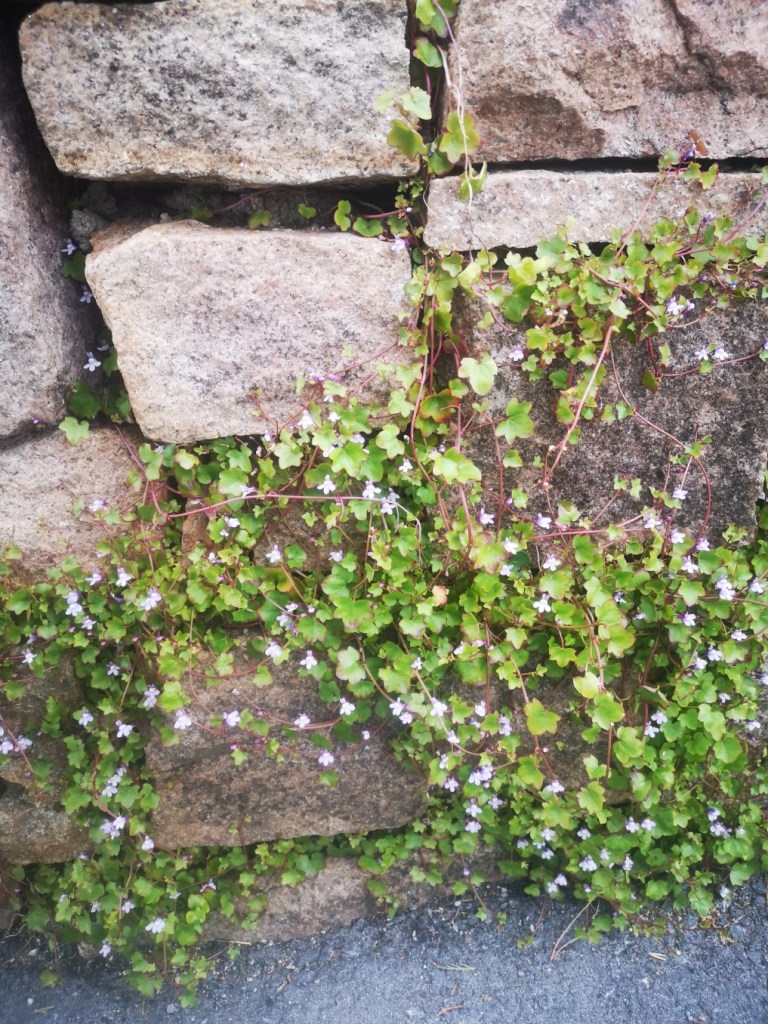
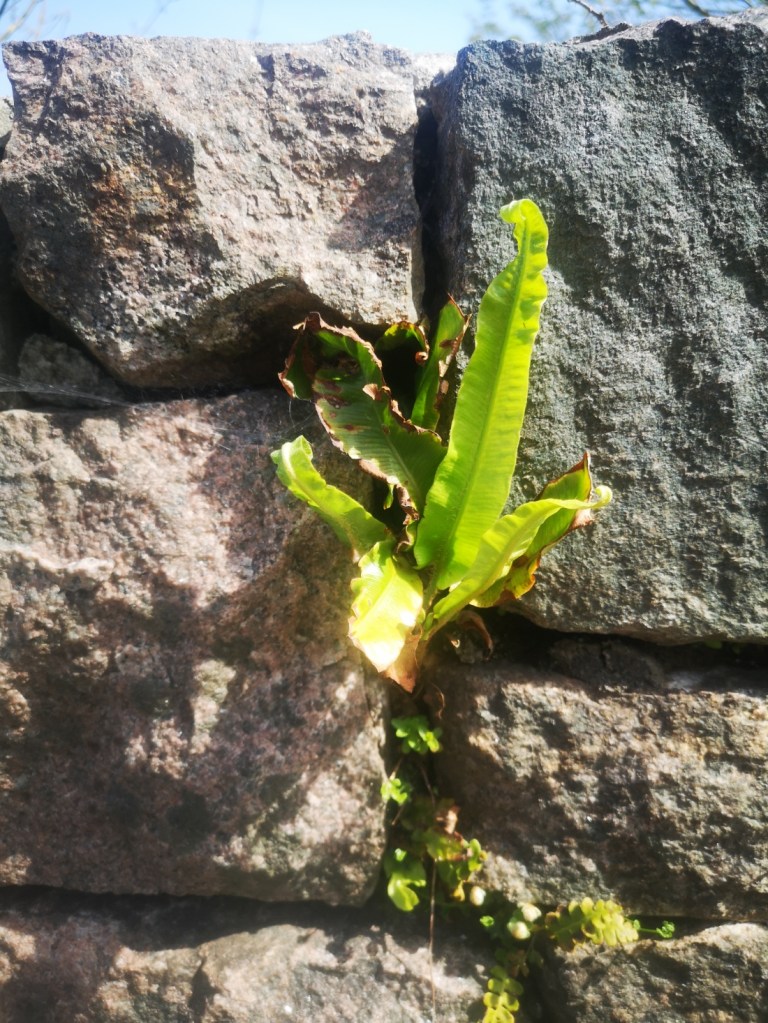
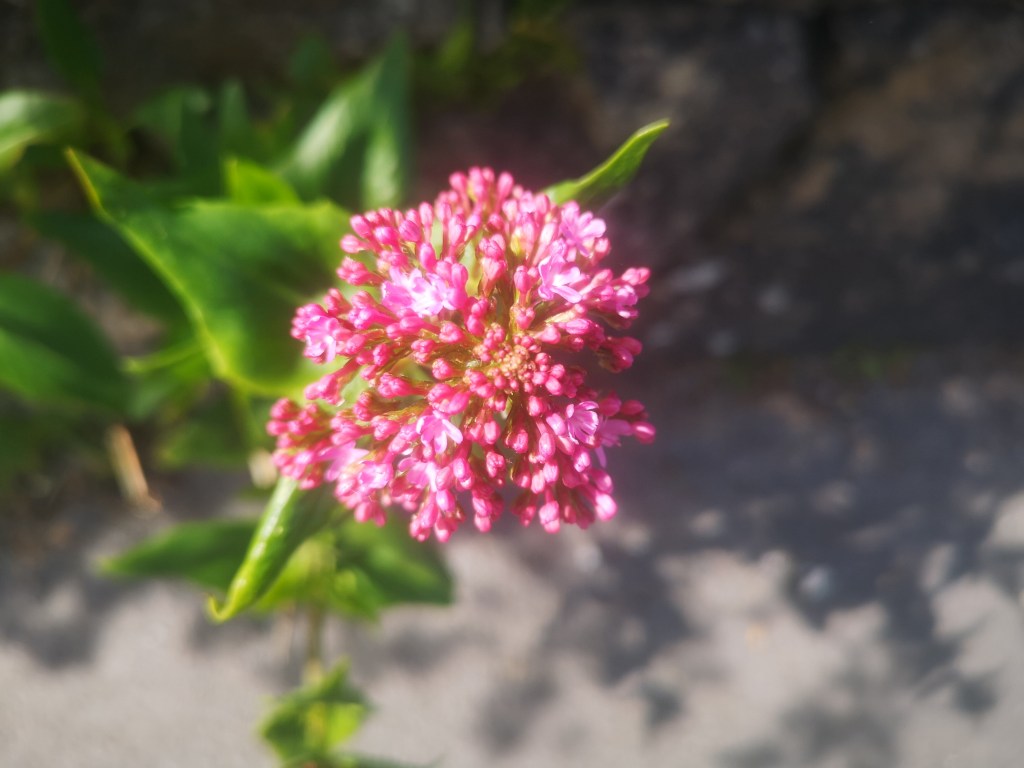
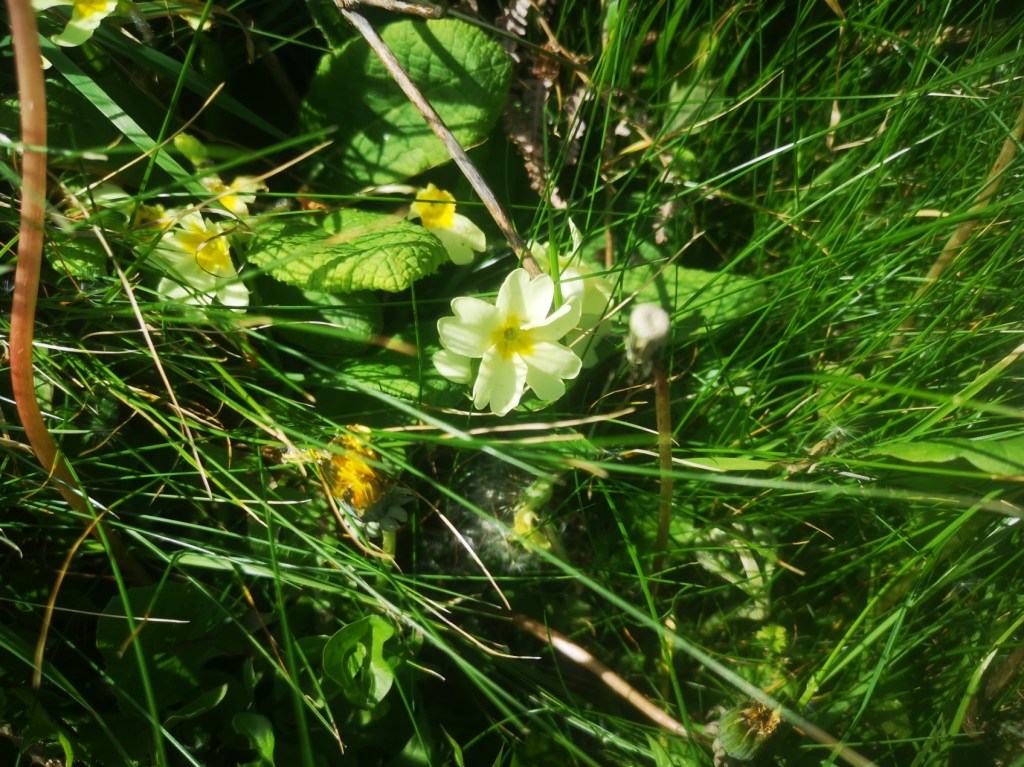
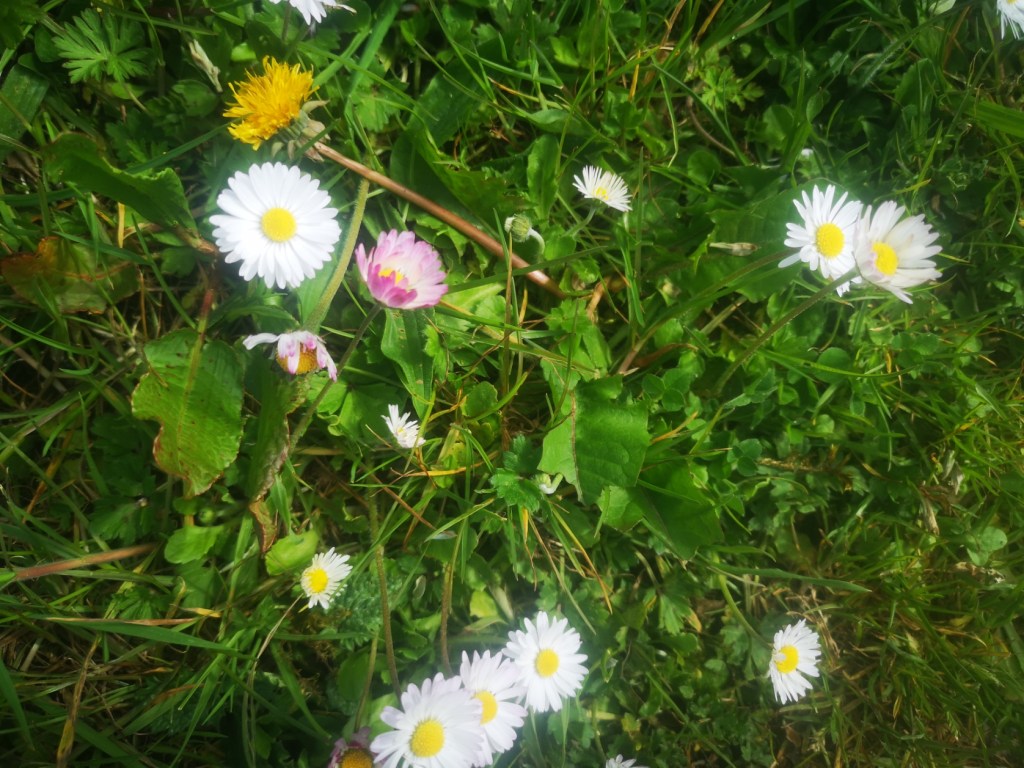
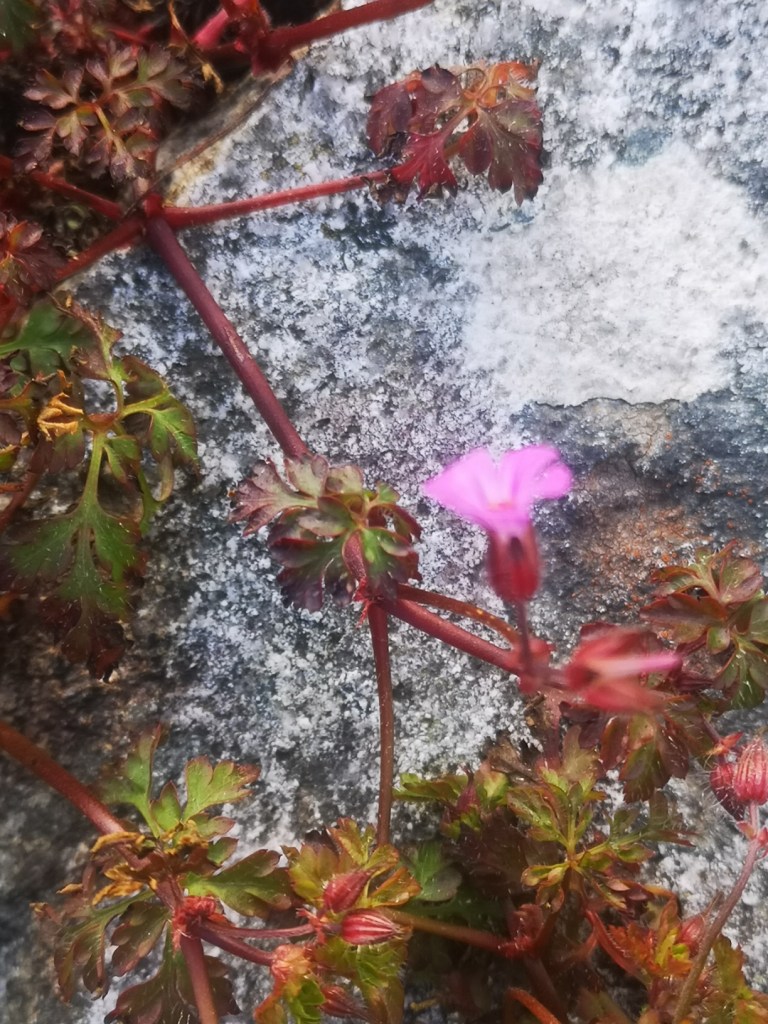
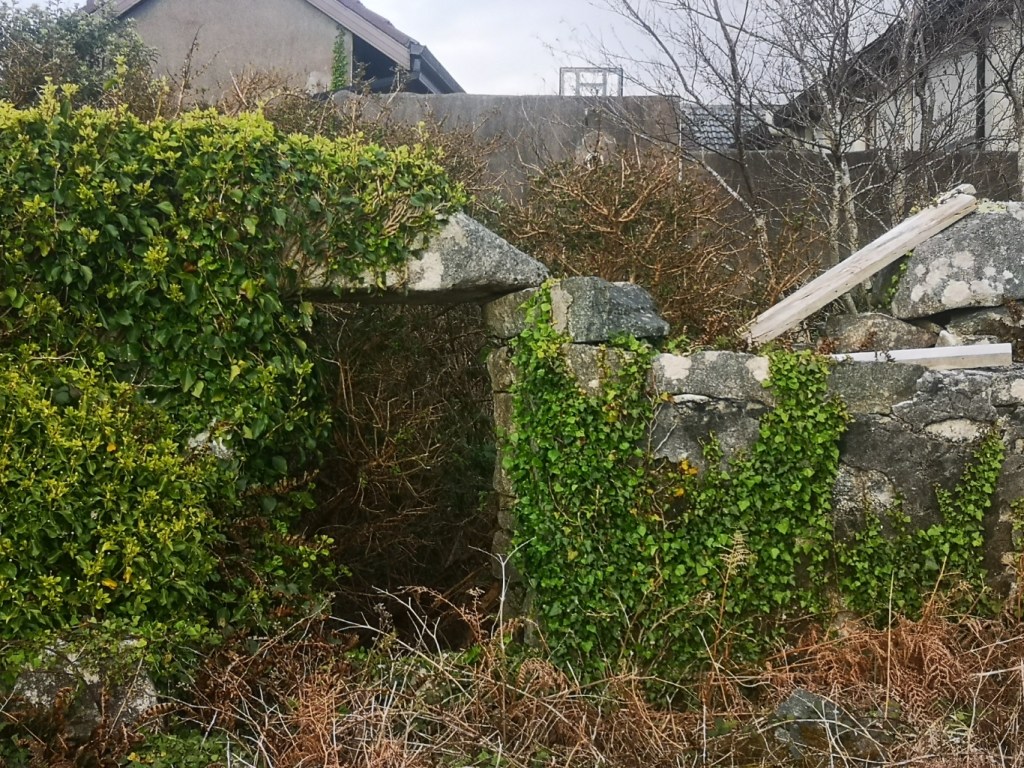
I am staying in Ceathrú Rua, Conamara, Ireland. There are many small, narrow lanes with rock walls on either side. The Irish term in Bóithrín. The walls have many plants growing on them too: ivy-leafed toadflax, polypody fern, ivy, herb-robert, shining crane’s-bill, red valerian, and hart’s tongue. I find it captivating and fear I will be run down by a car as I snap pictures of stone walls. I am always interested in the flora of the country. It is something I do to understand the land.
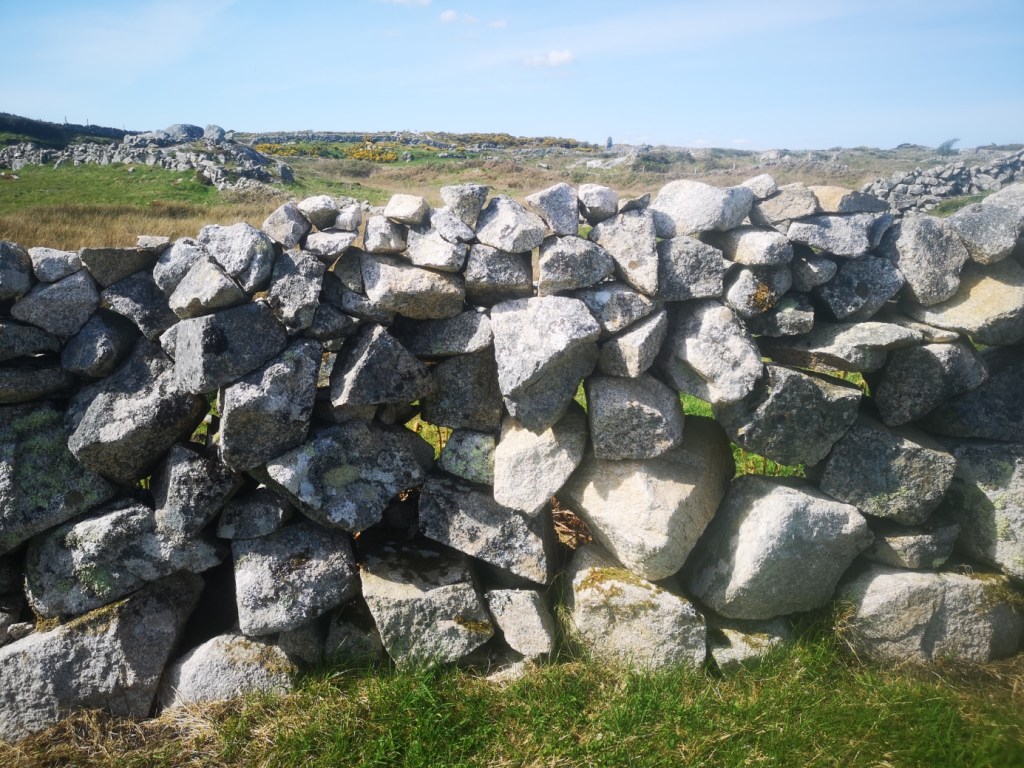
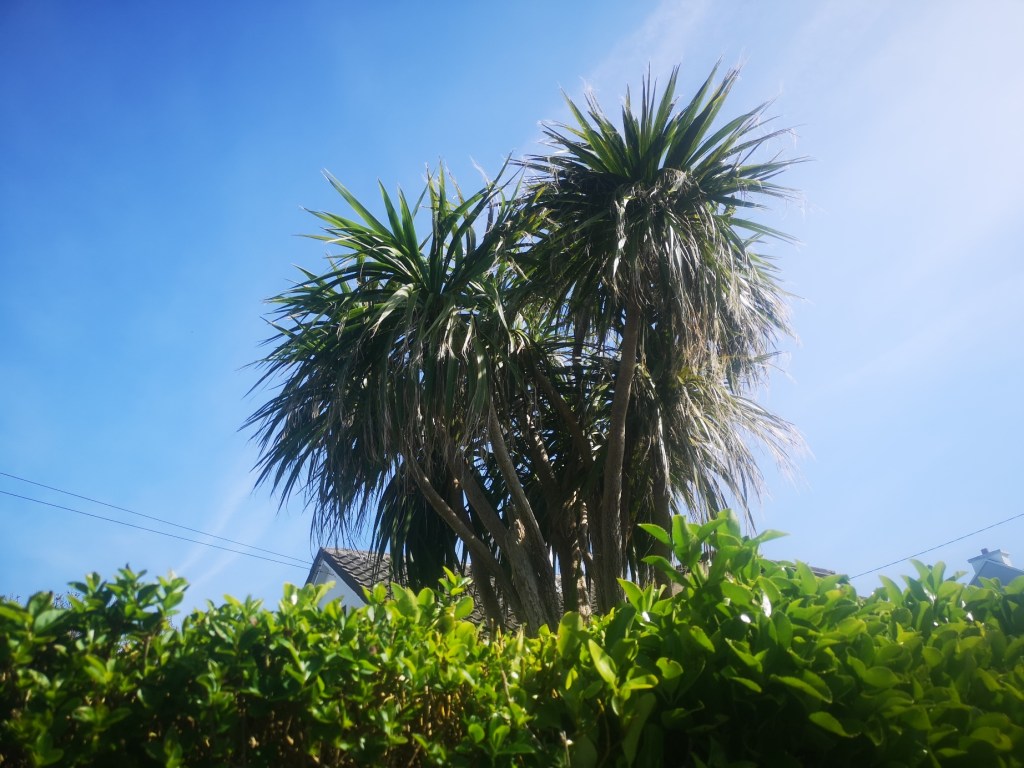
Most of the fields are filled with an aggressive mix of plants: gorse, honeysuckle, ivy, bracken, blackberry… The gardens are filled with what I would classify as tropical plants, non-native. There are few trees around. The land is massively dominated by rocks and reminds me a lot of the coastal barrens in Nova Scotia. In between the rock outcrops are glacial erratics and swampy, boggy lands. All of this is criss-crossed by crazy stone walls. To my Nova Scotian eyes, these wall defy gravity and should, by all logic, collapse at the slightest provocation. However, in this climate, you can pile stones high, even without mortar. The walls stay put and don’t collapse. No freezing and thawing cycles slowly cause stonework to collapse.

As a man who loves nature and gardening, the species that grow in an area, or don’t grow, or used to grow, weave a story for me. The land speaks.
Yesterday, I went to a presentation called Garraí an Iascaire – literally the “fisherman’s garden”. The sea! The Irish language has a natural tendency for poetry. Poetry was a high art in ancient times. Máire Feiritéar, presenter, talked about the language of the sea, the names of fish and seaweeds. She recited poetry. I sat in bliss listening to poetry being spoken aloud. Such a rare thing in the world today. It felt ancient and modern. It was the flow of the ocean, the Irish language, and the people. It reminded me of why I am here. An teanga beo! A living language!
In a country with no snow, they build the walls close to the road.
In a country with few trees, invaders fill the fields.
Rocks perch precariously on rock,
a land alive with walls,
filling in the gaps
where trees grew,
livestock grazed,
people died
and emmigrated to distant lands.
Where snow and frost
insist you adapt or collapse.
An teanga beo.

 Cumann an Ghleanna